One of the core values of the CAB is to uncover the process, and that extends to our construction project. We’re not only happy to put the gritty, dirty process at the forefront; we think it’s necessary.
Our architecture rests on the concept of phoresy: a relationship between two beings in which one transports the other. The Centre is built on the foundations of a former stone masonry, its extension ushering the building into a new phase of life.
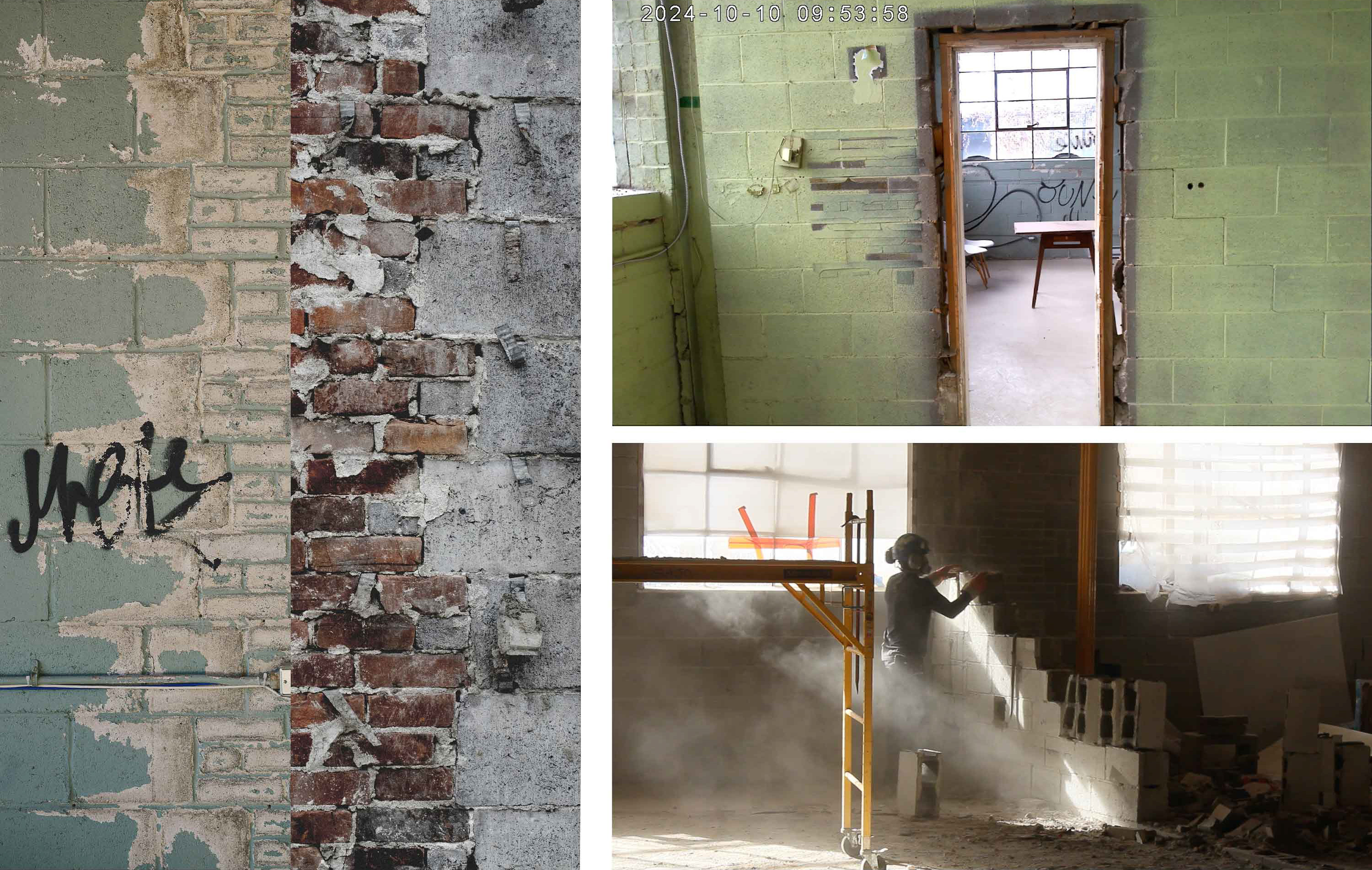
From the beginning, the philosophy of our architectural project has been based on deconstruction: the idea that materials should be dismantled and reused, rather than thrown away. The old building became the foundation from which we could gather materials to bring the CAB to life. We see these repurposed materials as a way to dialogue with what came before us, as well as a respectful, deliberate environmental gesture. Even as a set of buildings, the CAB believes in historical layering.
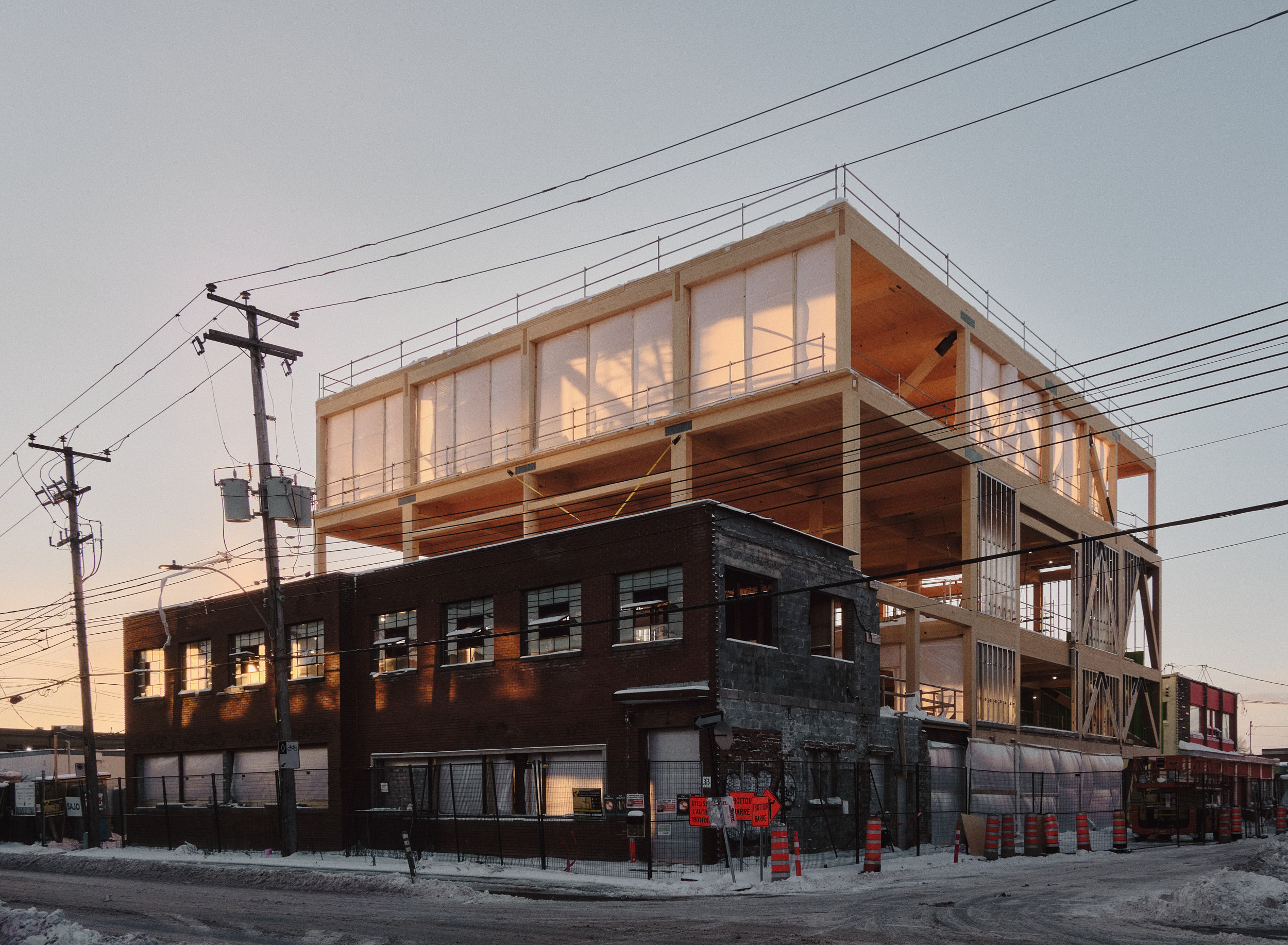
At the heart of our architecture is our four-storey wood structure. It’s a true ecological innovation in more ways than one. Wood is a renewable resource that uses very little fossil fuel, drastically reducing the carbon-footprint of our project. Conceptualized and designed by architects Atelier Barda and engineers Lateral and fabricated by Ambiance Bois, it uses laminated timber made from black spruce, grown in sustainably managed forests in Quebec. It is the first of its kind for a cultural building in Quebec, and was made possible thanks to the “programme d’innovation en construction bois”.
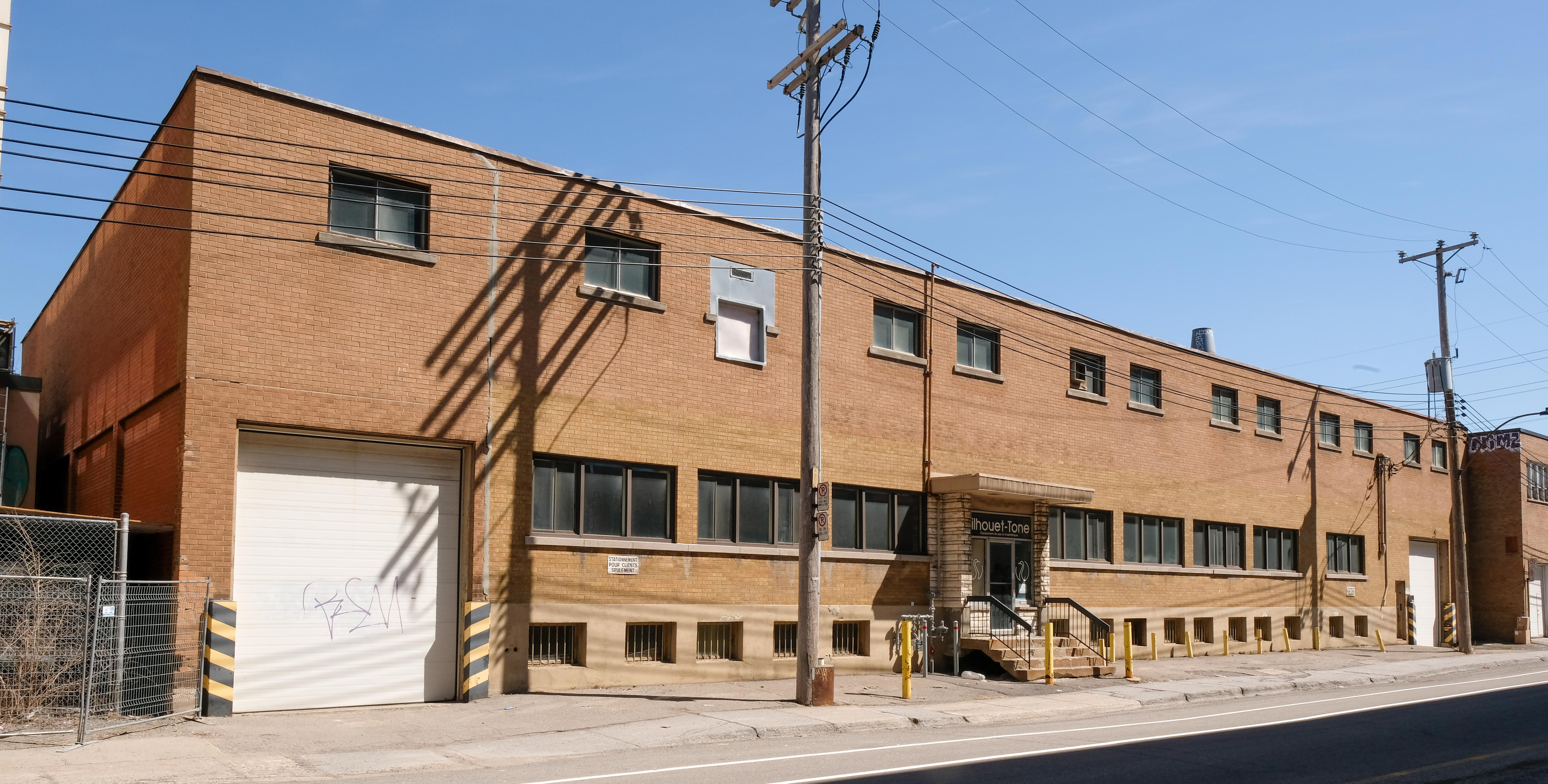
One street over from the Centre on Port-Royal are the Ateliers. A three-storey building, originally a spa manufacturer, will house over 20 artist studios and residency spaces. It will also include an educative space and a large collective creation space. Here again, we want the existing building to shine.
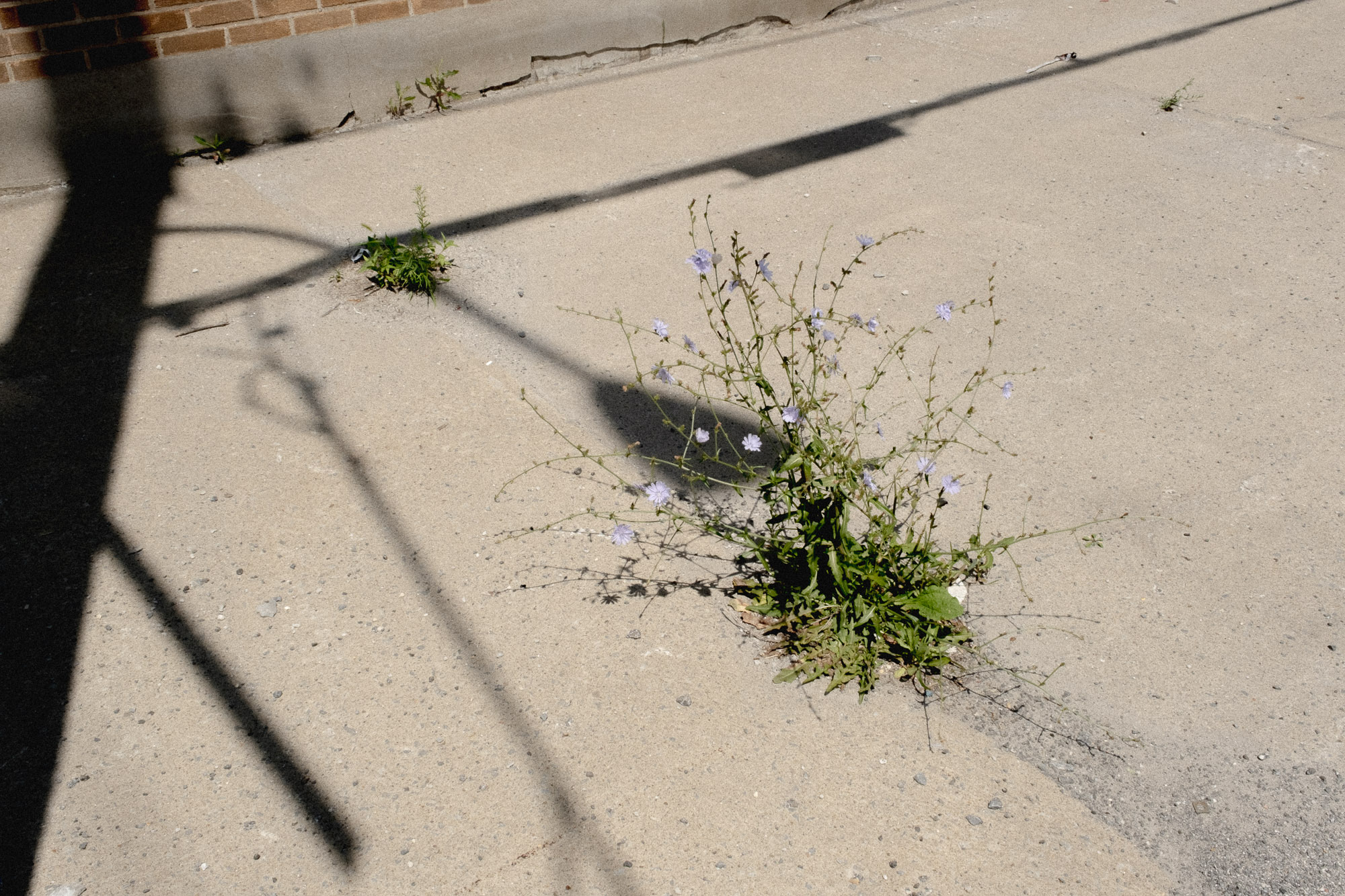
We’re also rewilding areas around the two CAB sites, creating green spaces for the public to gather. Whether that be through a large park adjacent to the Centre, a rooftop garden created specifically for migratory birds, or a hidden forest in the alleyway behind the studios. We’re working with landscape architects Nouveaux Voisins to bring back indigenous plant varietals to spaces where there was once so much concrete. We know that nature, just like art, feels good.